BSEP Engine 1Maleficent
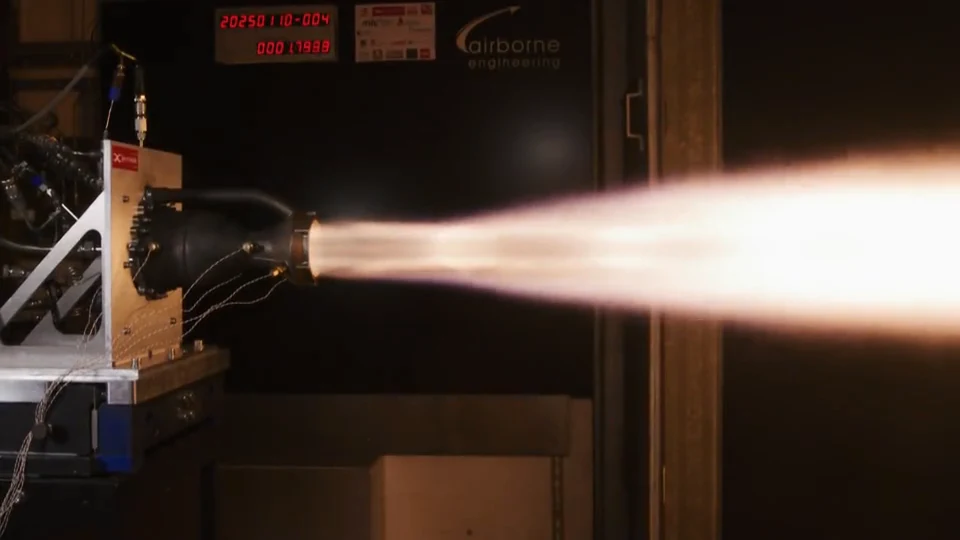
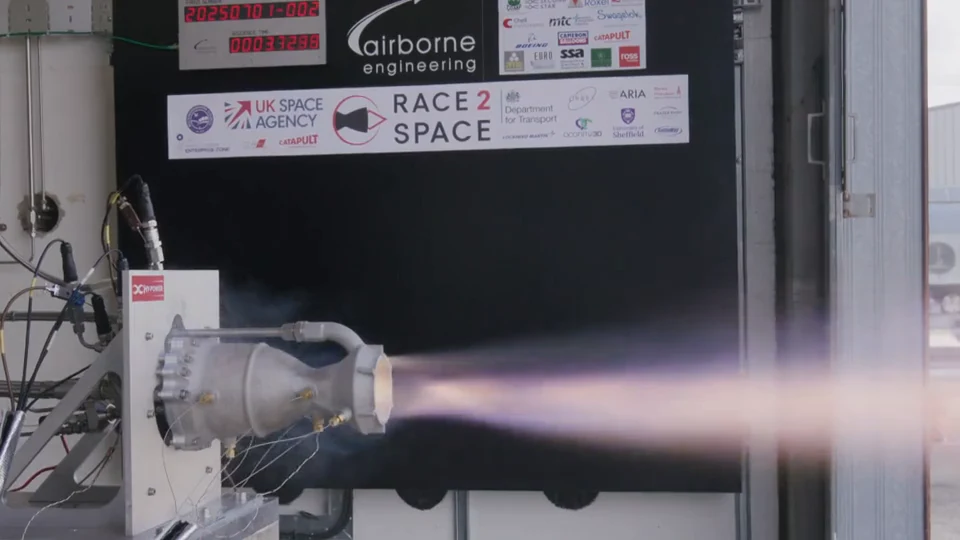
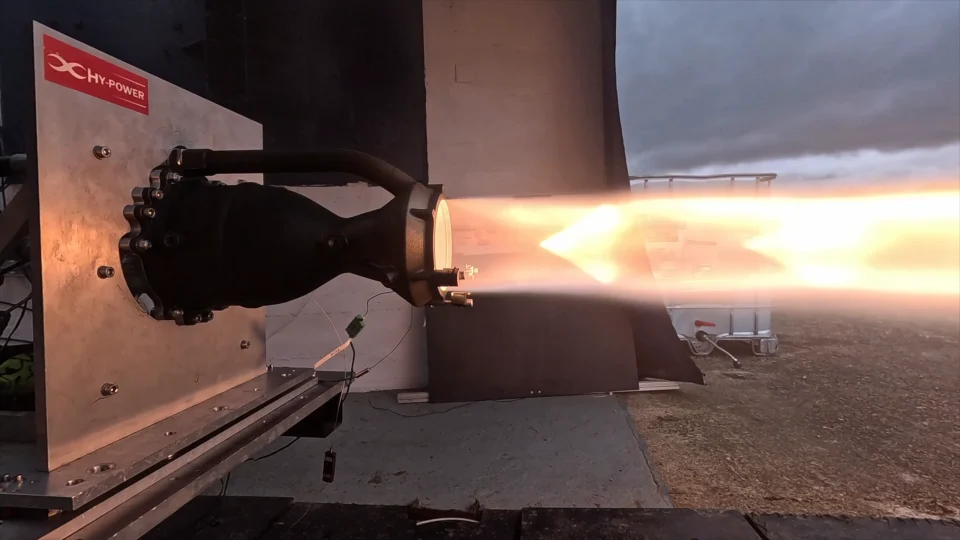
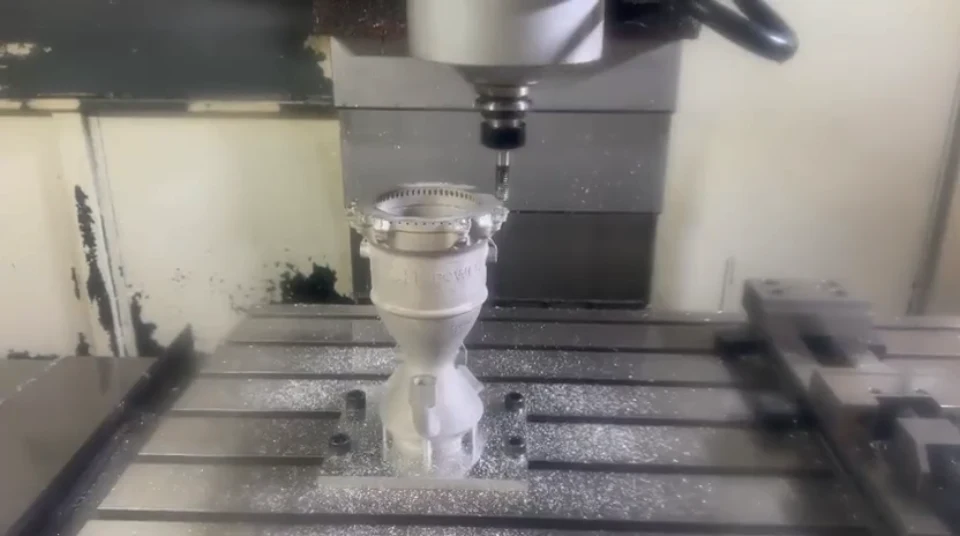
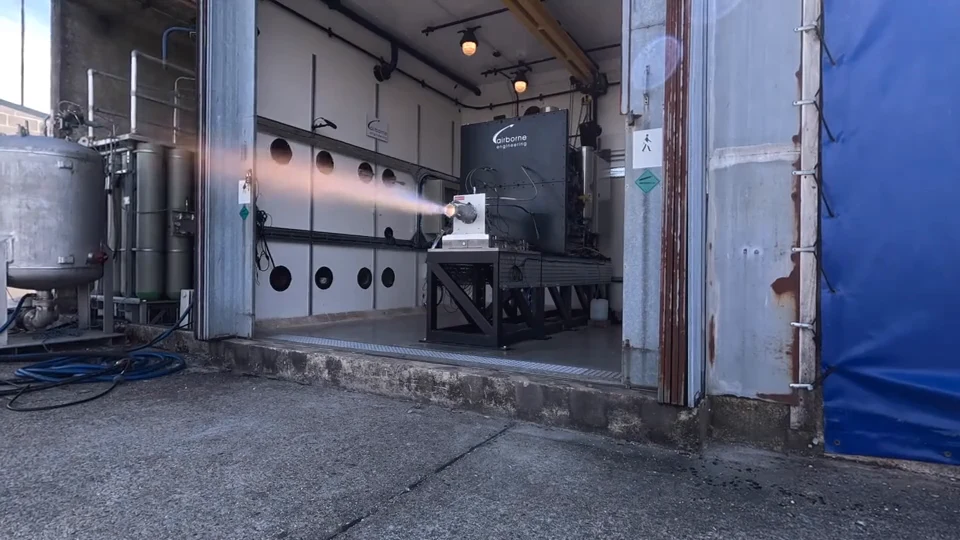
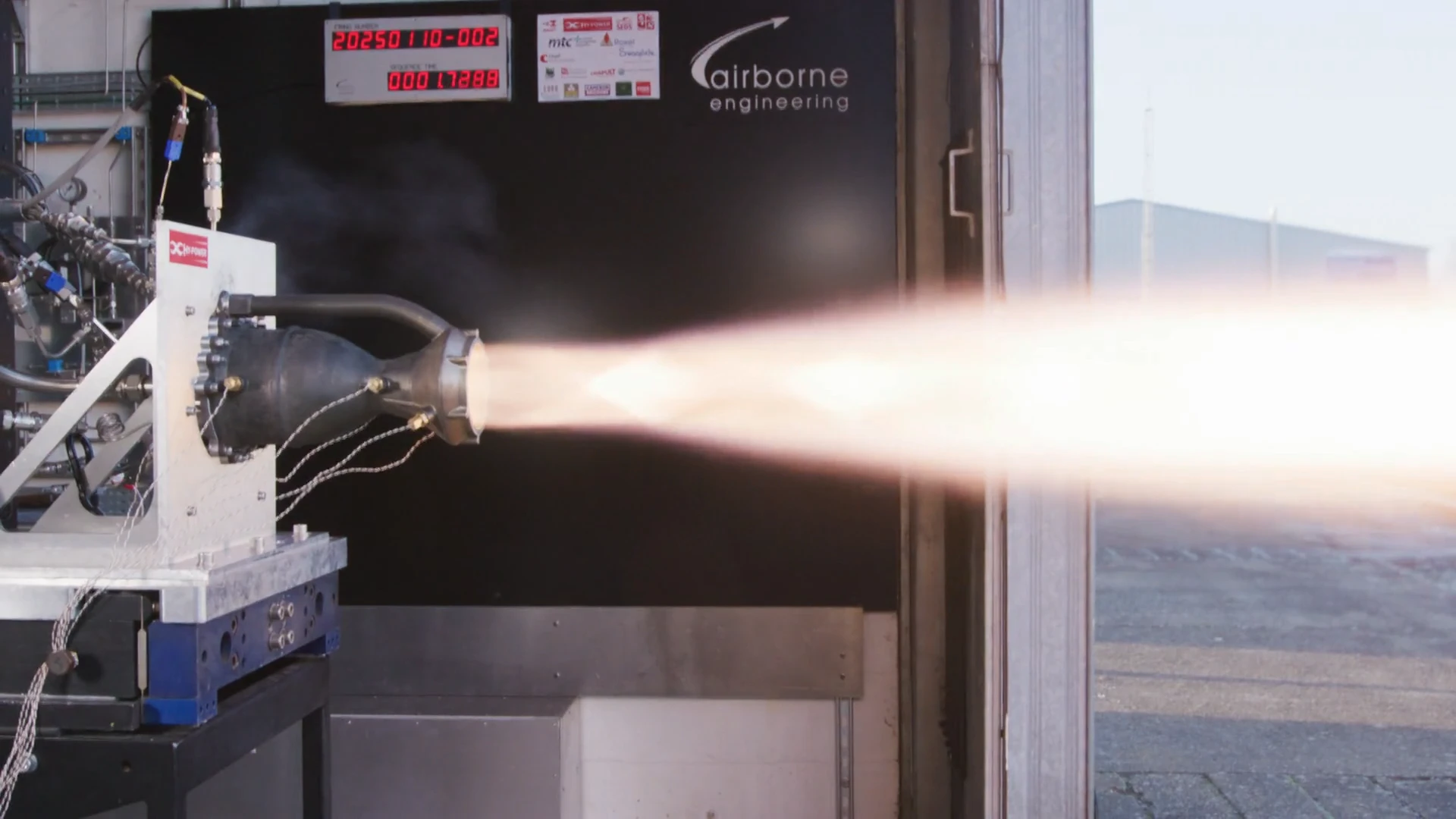
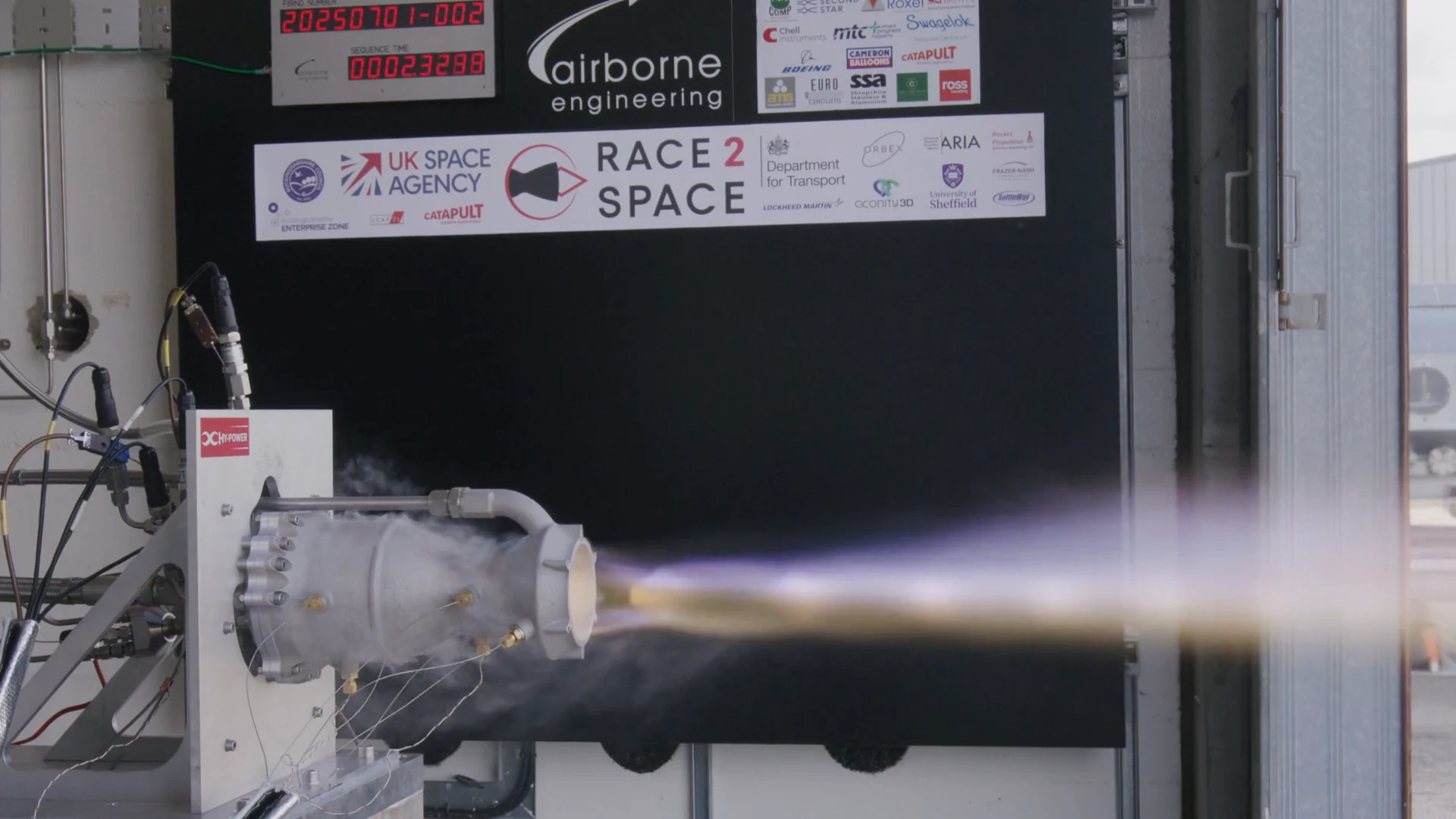
Regeneratively-cooled Inconel 718 bipropellant engine. 5.94 kN in January 2025: the UK student thrust record.
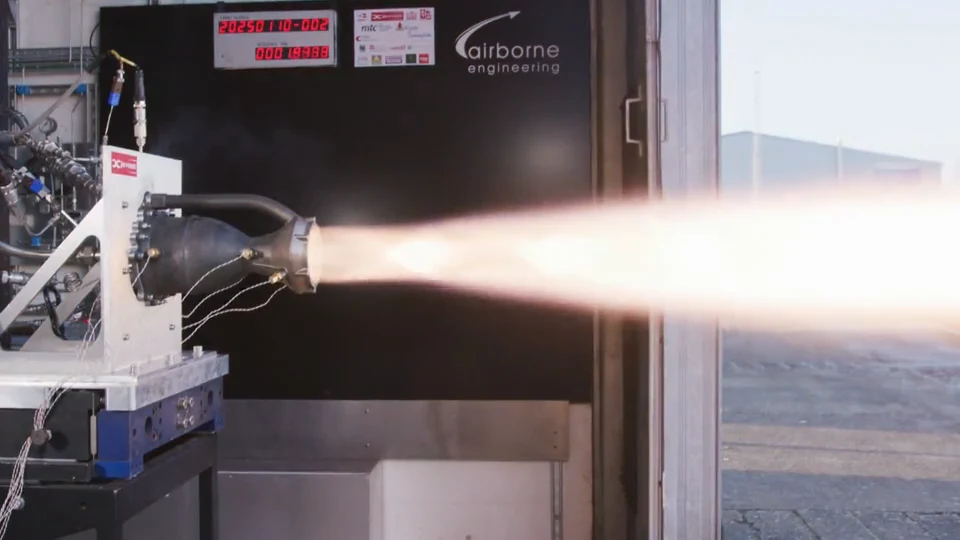
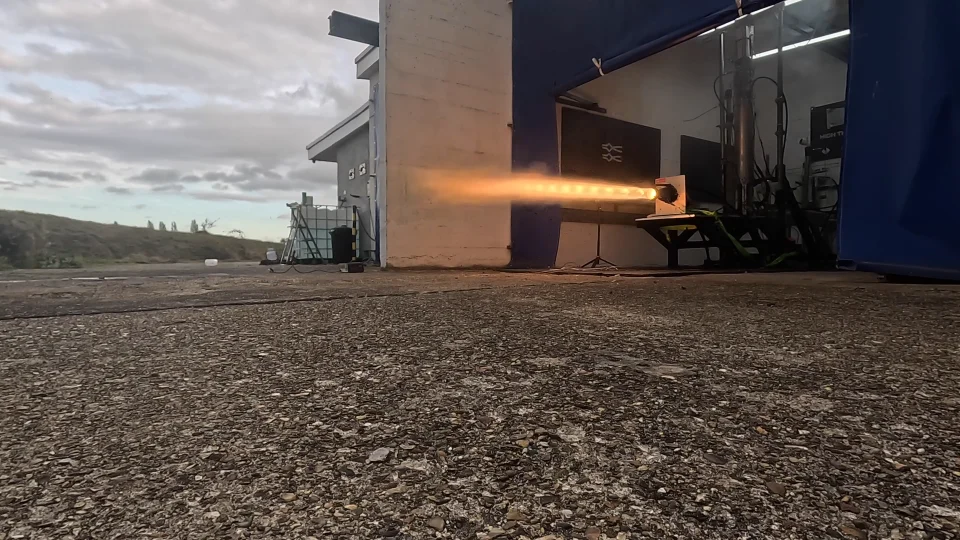
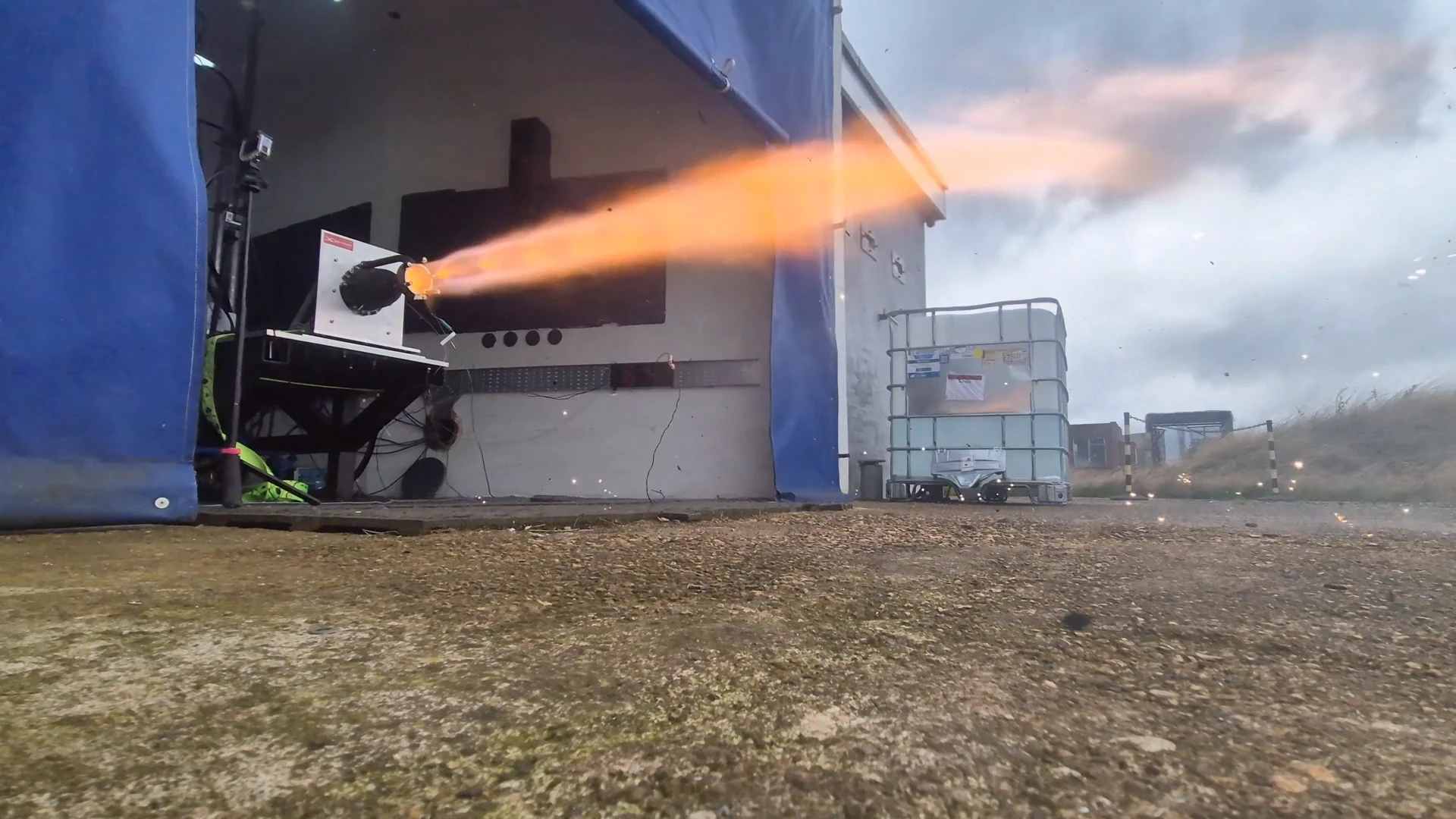
Engine 1, Test 3 at steady state on the Airborne Engineering thrust stand
Scroll
I build and fire liquid rocket engines.
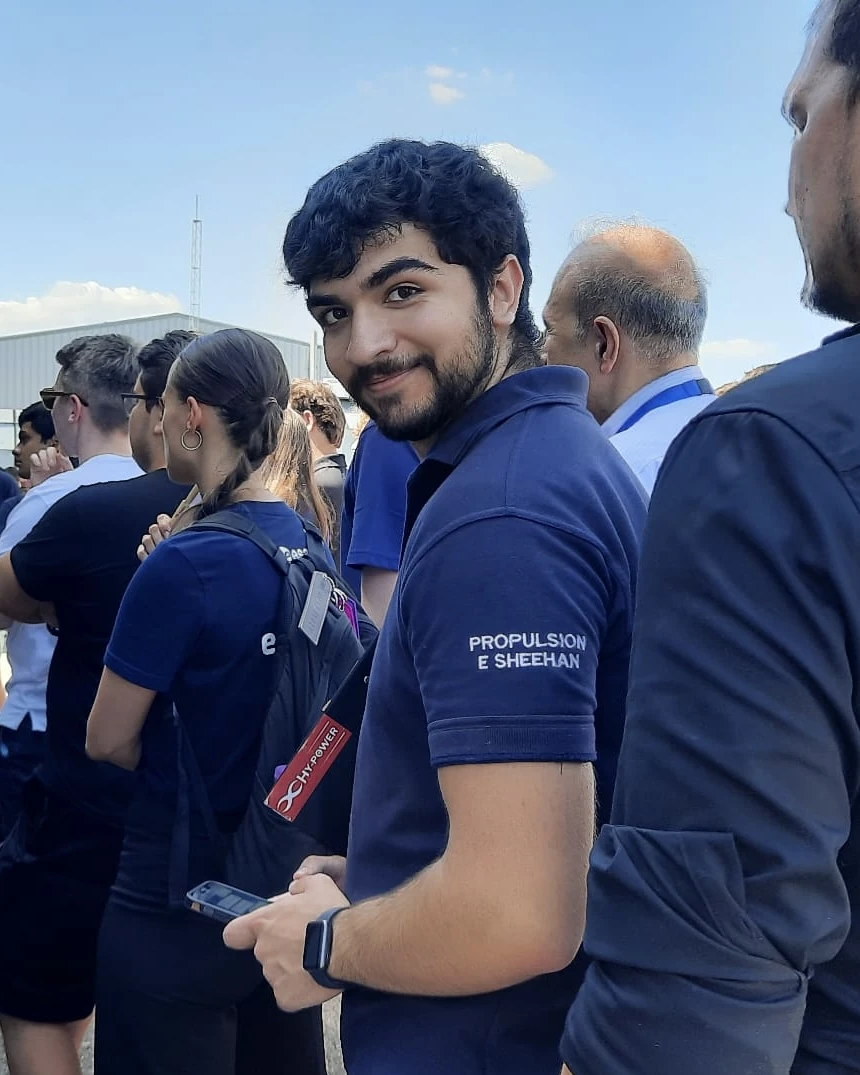
MEng Aerospace Engineering student at the University of Bristol and Propulsion Lead at HyPower Bristol. Three research internships alongside it: the Bristol Flight Lab and the Bristol Composites Institute in 2025, ILK Dresden in 2026.
Three years on BristolSEDS Experimental Propulsion, Engine Lead then Propulsion Lead across four engine programmes, including the 5.94 kN regeneratively-cooled engine that set the UK student thrust record in January 2025.
Four liquid engine programmes from design to hot fire, including the 5.94 kN engine that set the UK student thrust record.
See the work → 02A gain-scheduled cascade PID on an STM32, a phased LQR that lands a rocket after its chute has opened, and stability augmentation for a light aircraft. Each one proved before it went near hardware.
See the work → 03Reinforcement learning and computer vision, plus the measurement that decides whether a model actually works: 140,000-game gauntlets, held-out evaluation, live inference on a Jetson.
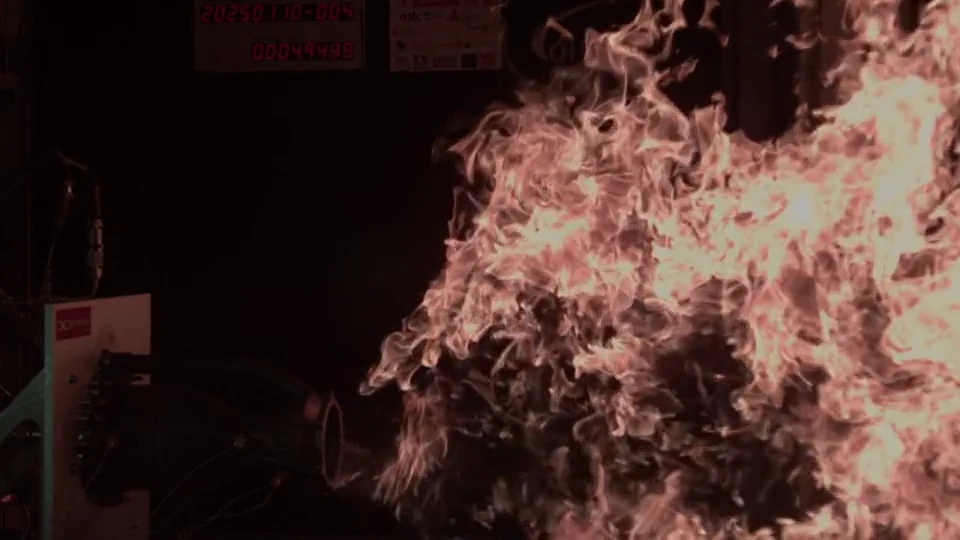
See the work →Ignition, slow motion. The plume establishing on Test 3.
Regeneratively-cooled Inconel 718 bipropellant engine. 5.94 kN in January 2025: the UK student thrust record.
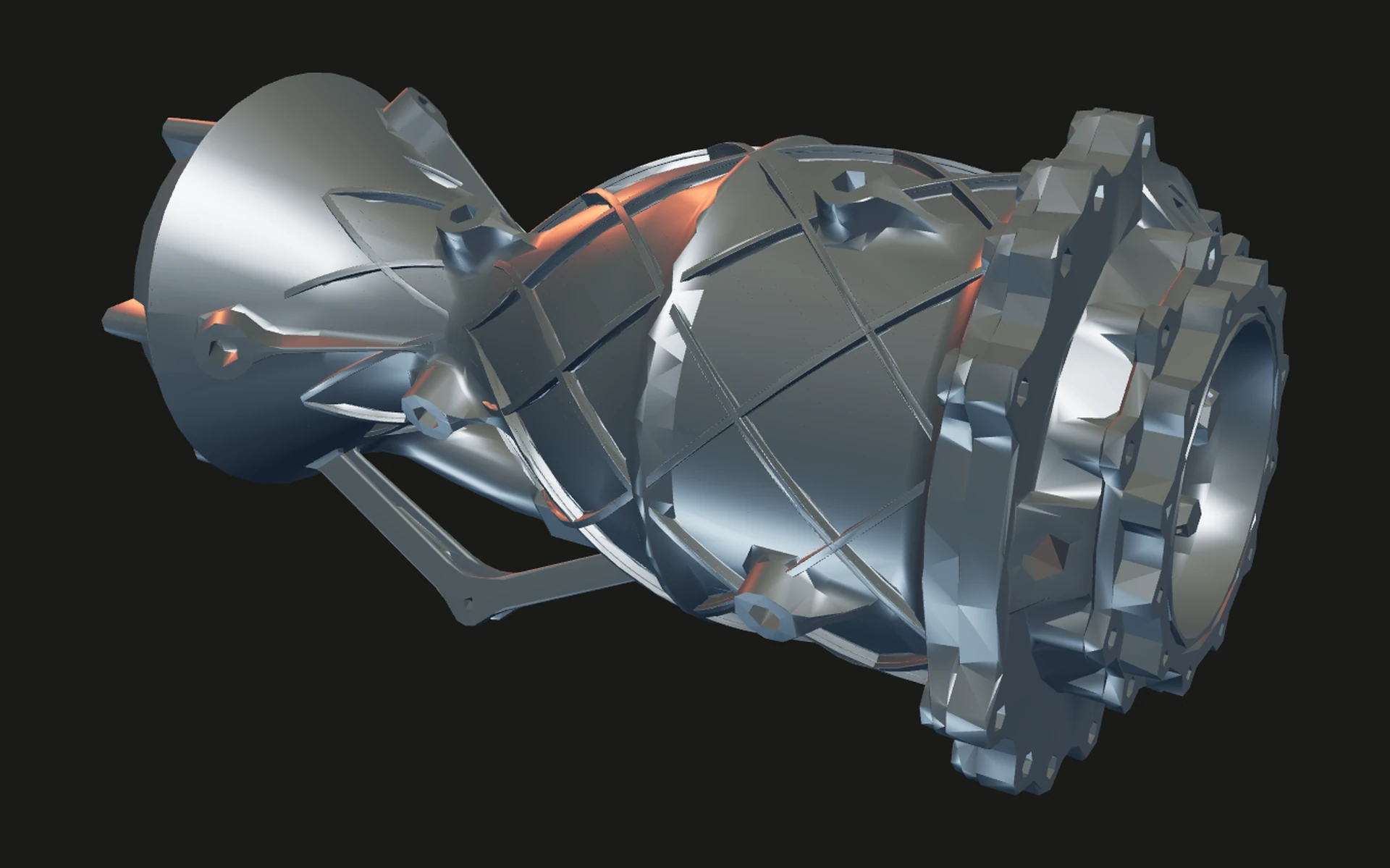
The world's first CP1 aluminium rocket engine: a lightweight Al-Fe-Zr chamber with a coaxial-swirl injector, run to full duration on its maiden fire.

Loading model 0%
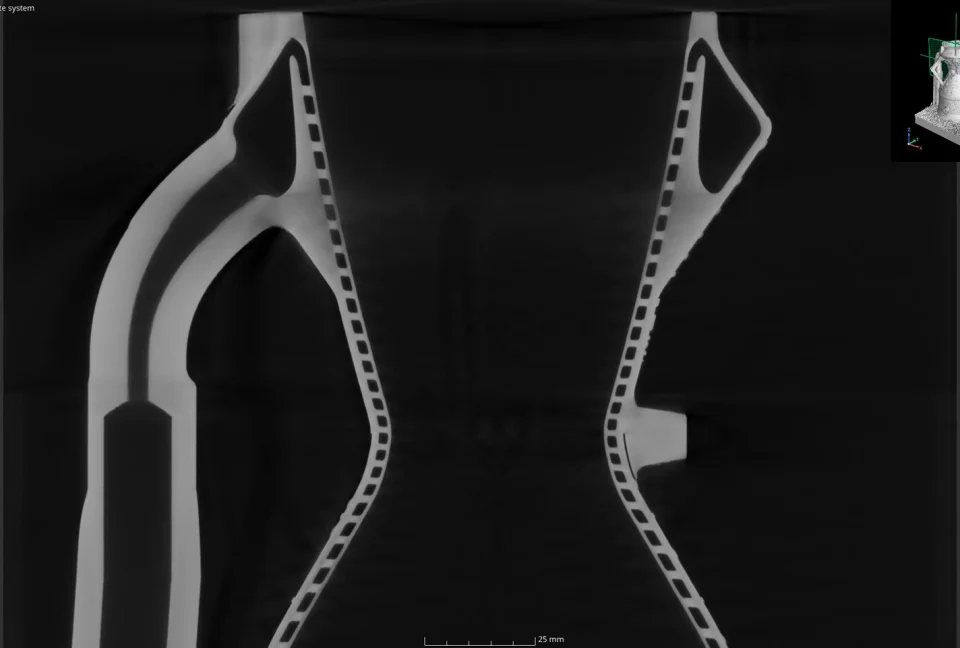
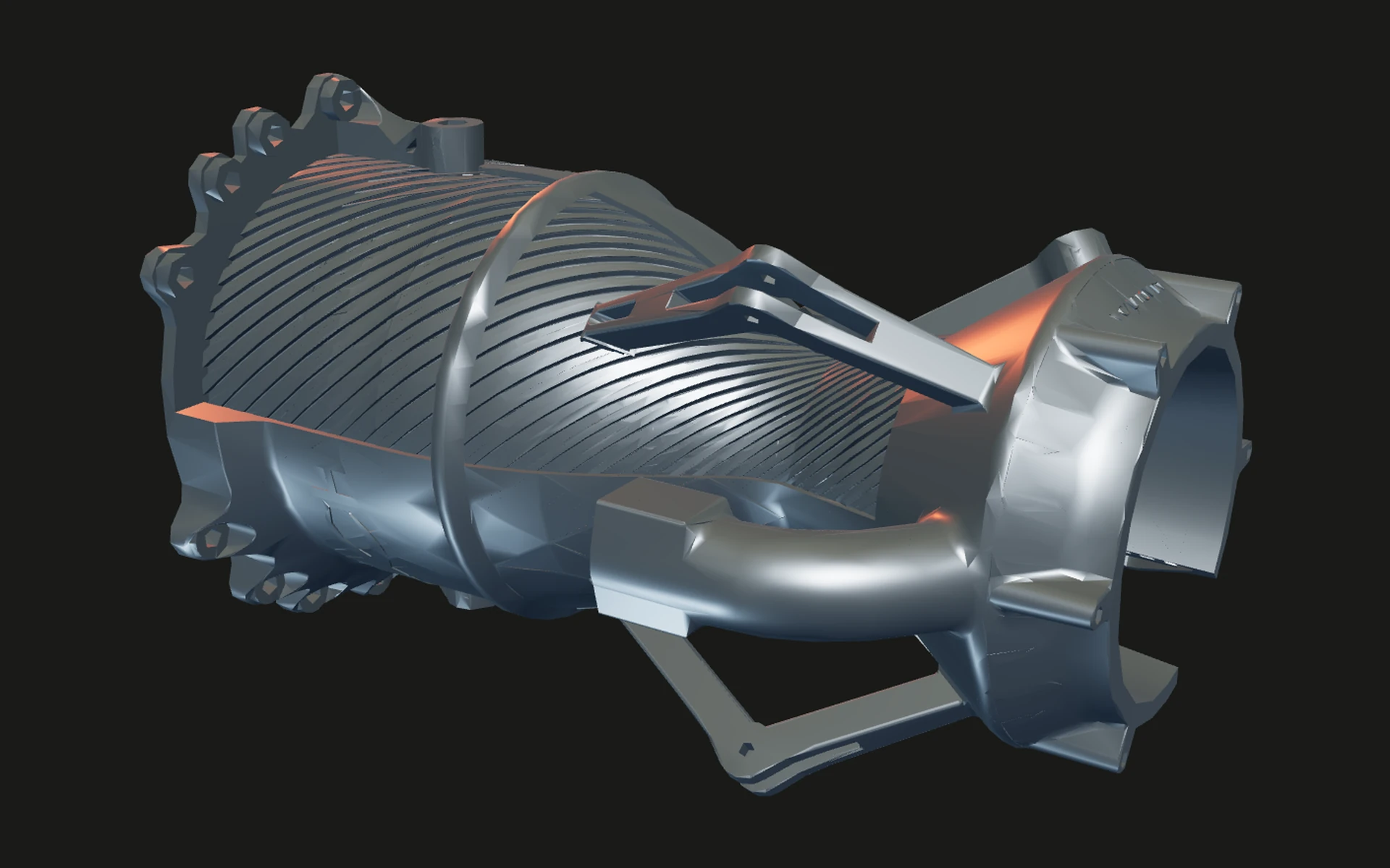
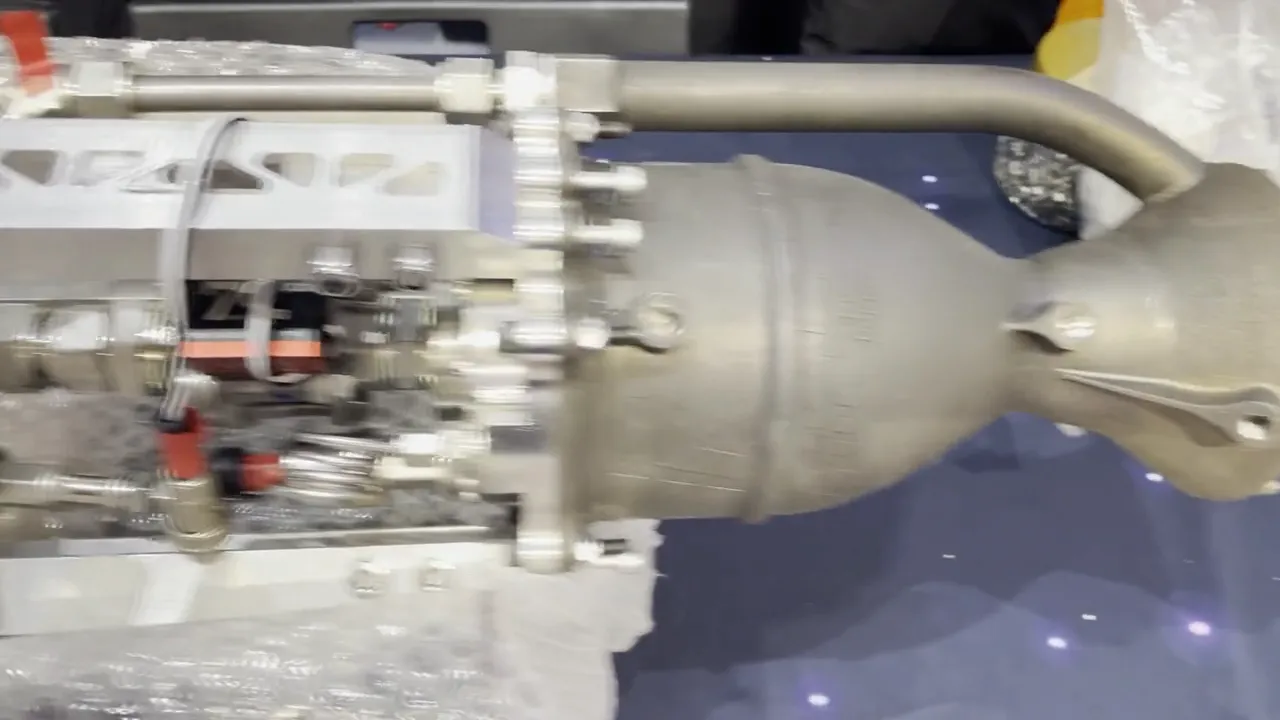
Spiral-channel regen chamber built for flight: designed, printed in CP1 aluminium and CT-scanned end to end, waiting on its first hot fire.

Loading model 0%
Bristol's first LOx/IPA engine, for Race 2 Space 2026.
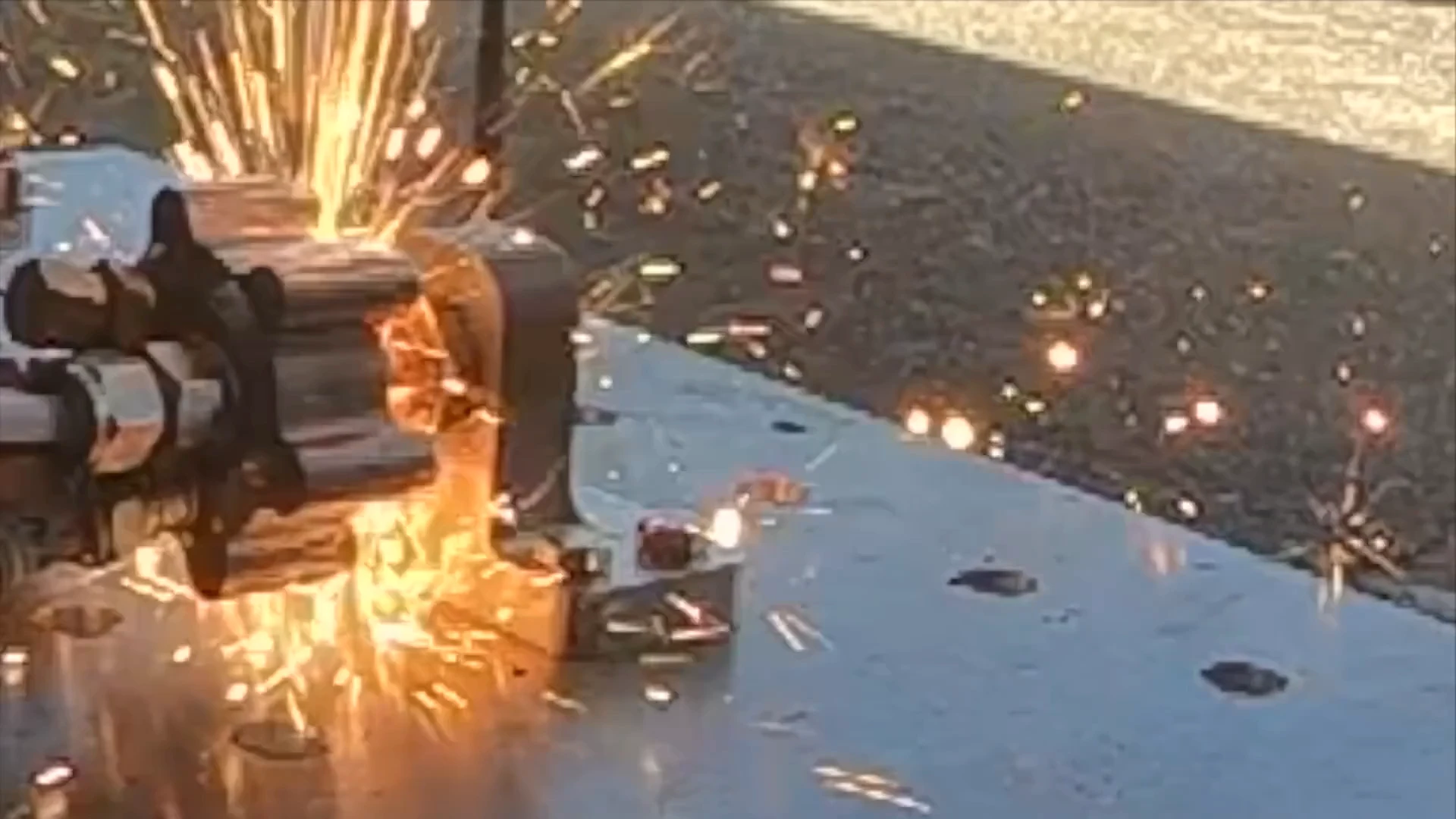
Hydrogen/oxygen torch igniter: eight firings, retired after melting through 5 mm of stainless.
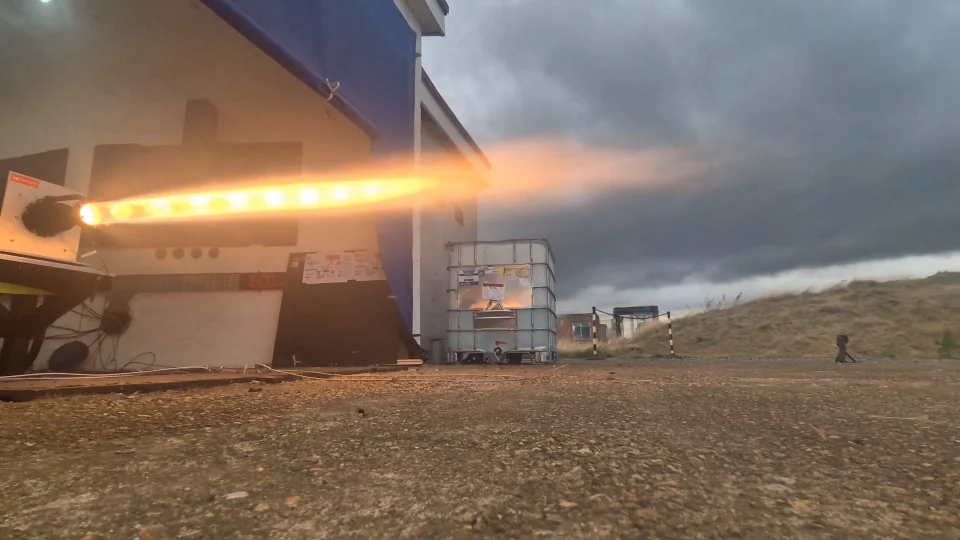
Engine and feed-system flight qualification for EuRoC 2025: three burns in September, a 7 s full-duration firing and a 5.58 kN peak on the last.
HyPower's 2025 vehicle at the European Rocketry Challenge: 25 teams, first of the UK entrants, grounded 800 m from the pad.
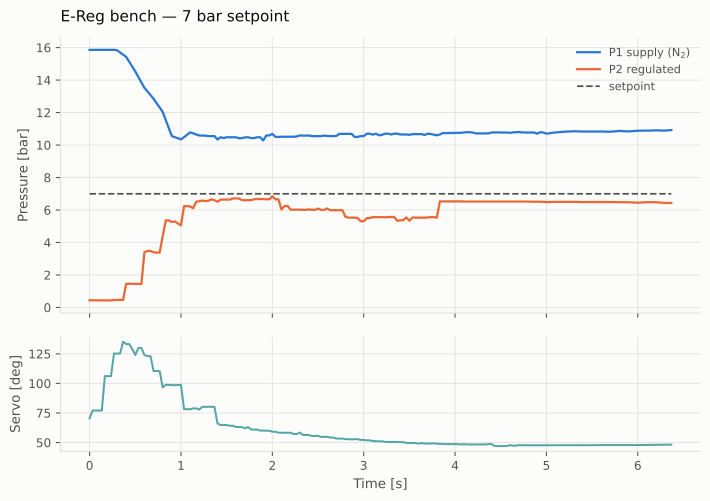
An electronic pressure regulator for HyPower's pressure-fed rockets: a servo ball valve and a gain-scheduled cascade PID on an STM32, simulated, verified bit-exact into flight C, then bench-tested.
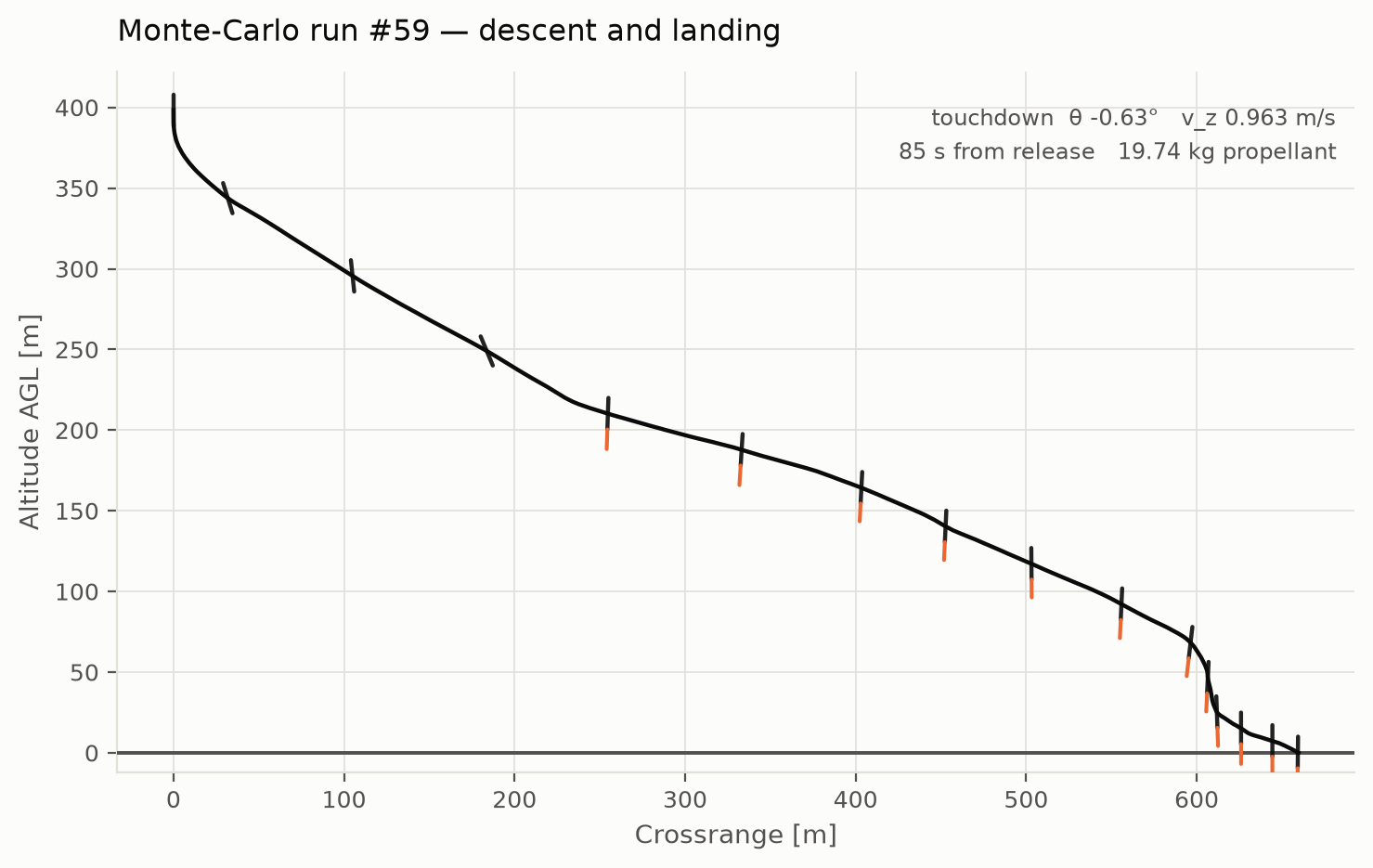
Landing a thrust-vector-controlled sounding rocket after main-chute deployment: a 3-DOF Simulink simulation, a phased LQR controller and a 300-run Monte-Carlo campaign.
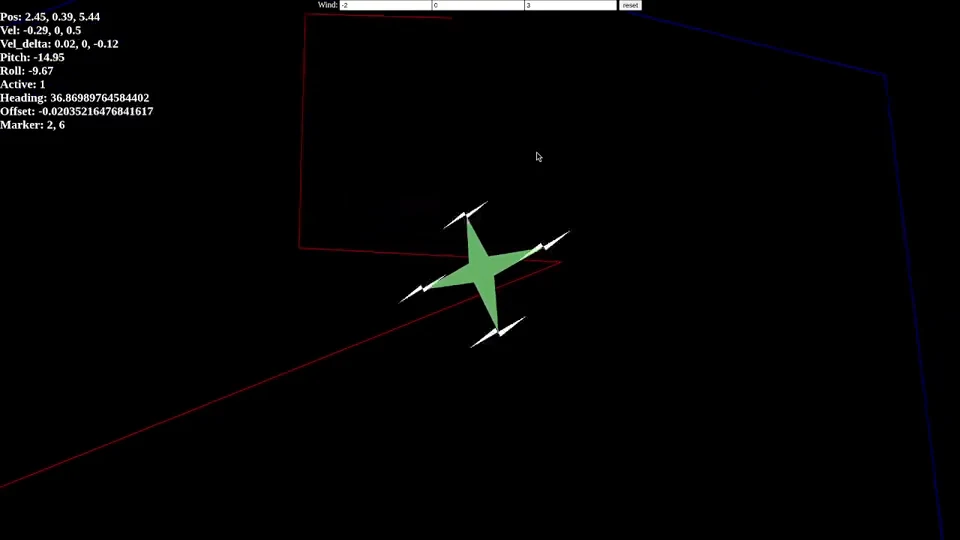
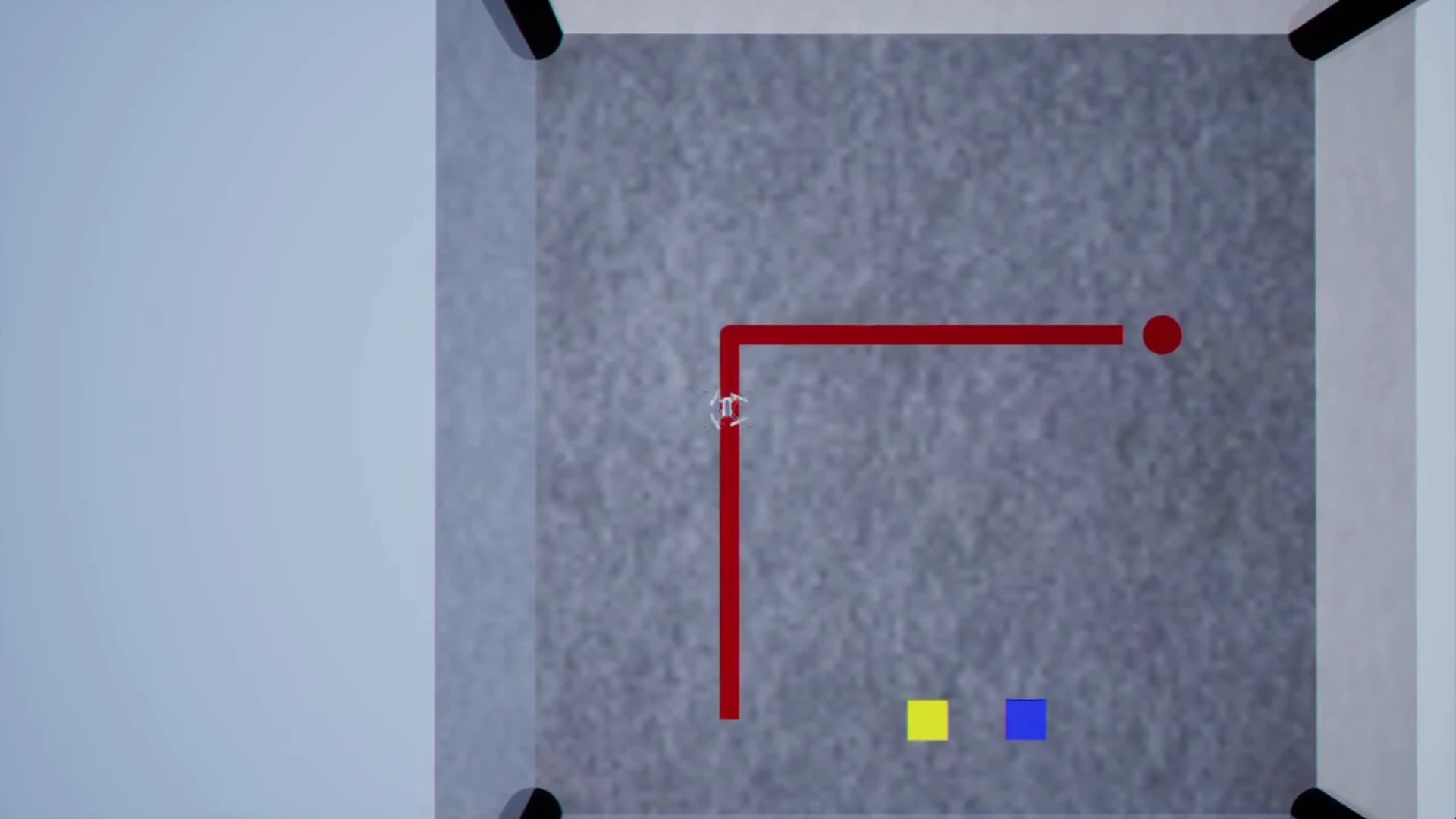
A reinforcement-learning path planner for the MathWorks Minidrone Competition Europe 2026: a Parrot Mambo follows a red line and lands on the marker, with the policy shipped as baked weights and zero toolbox dependency.
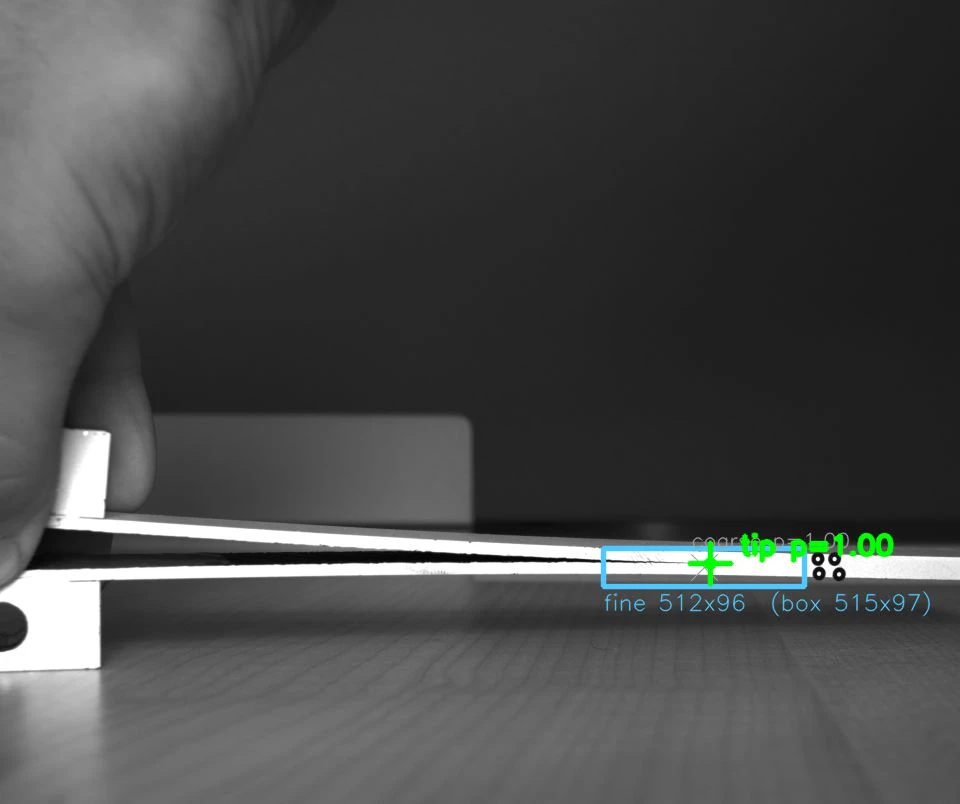
Live AI crack-tip detection for composite fracture tests, running on a Jetson AGX Orin. Summer 2026.
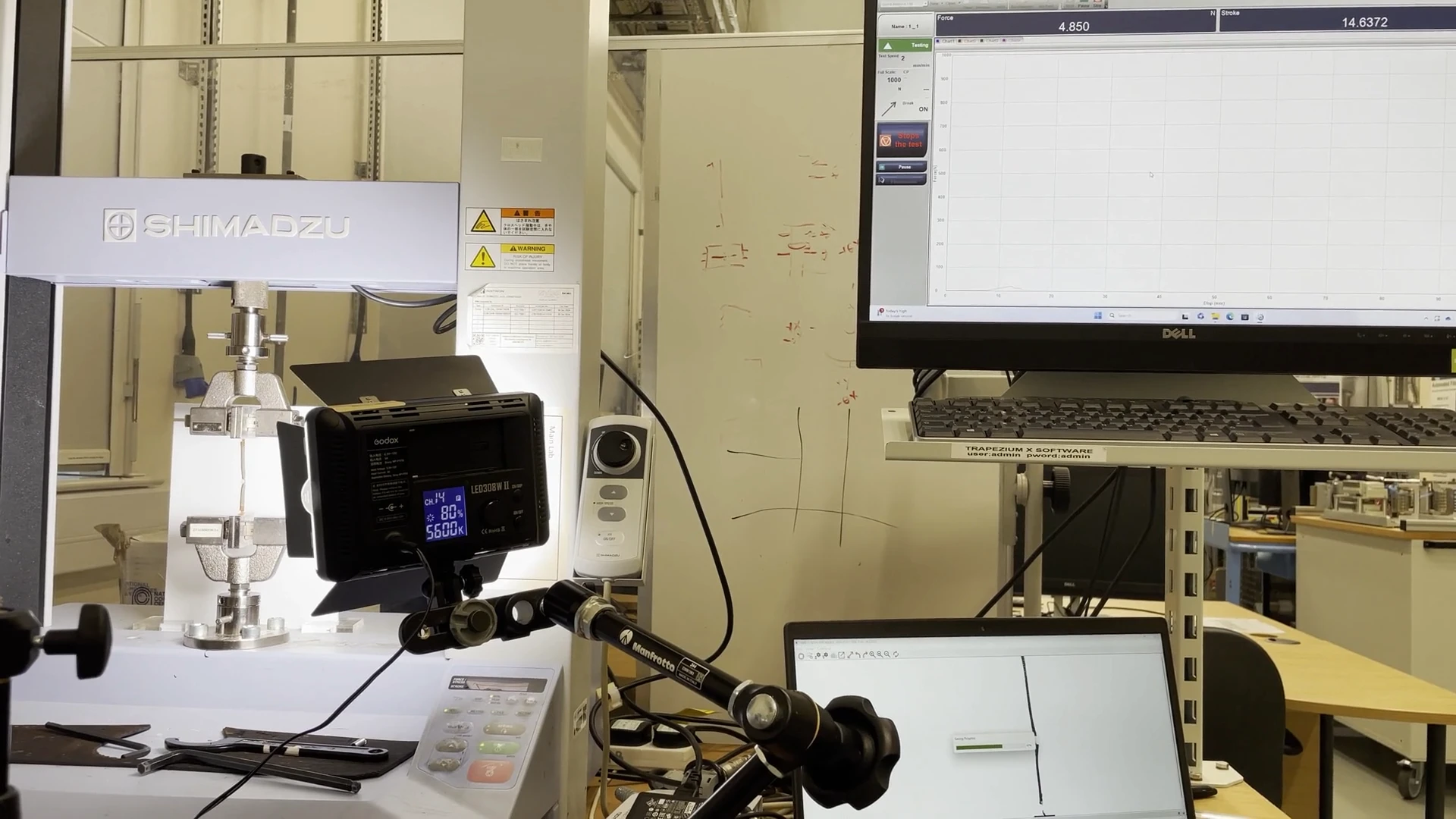
Curvature-to-stress prediction for 3D-printed flax/PLA hygromorph strips: 72 specimens, 10 batches, and a paper on why the shape transfers and the scale does not.
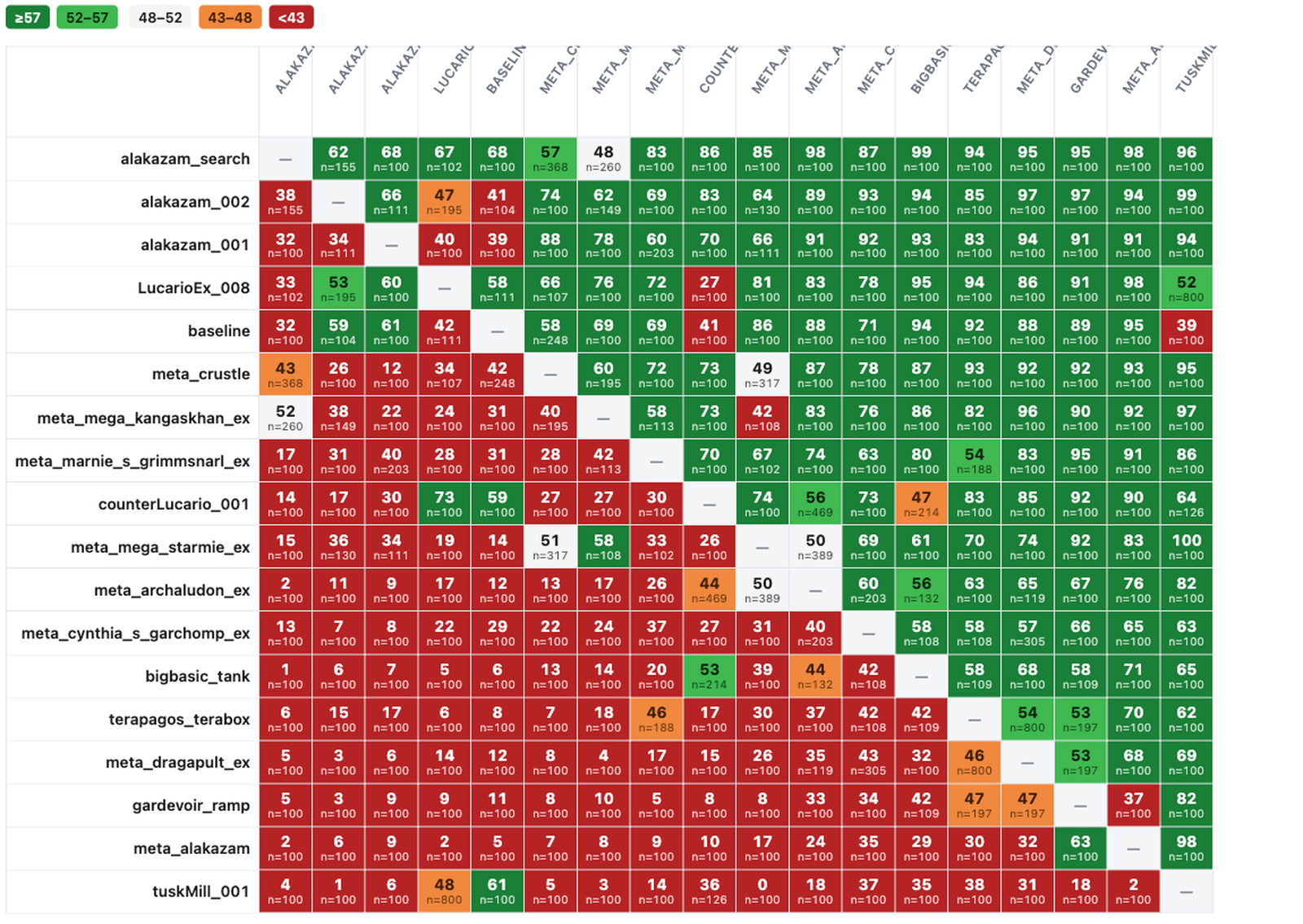
Kaggle Pokémon TCG AI Battle, summer 2026. The agent was three behaviour-cloned networks and a shallow search; the product was the measurement instrument that reversed six of our own decisions before they shipped.
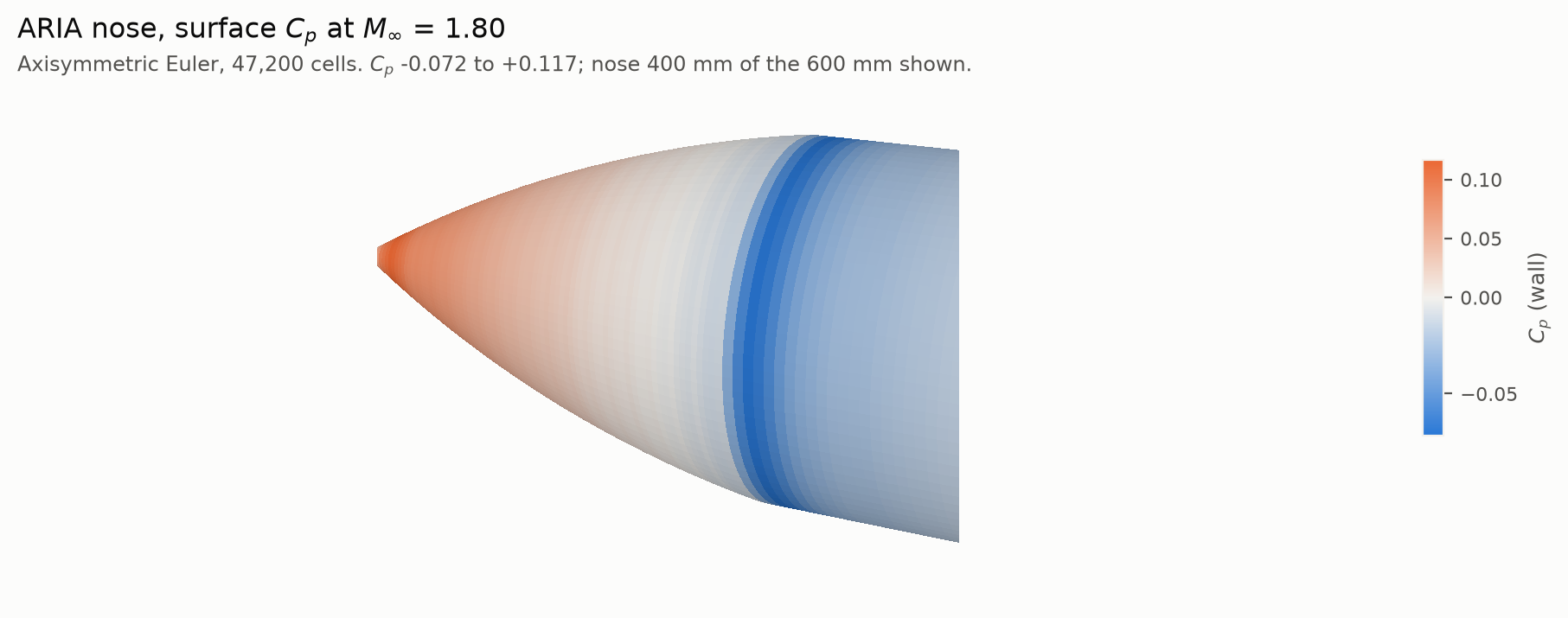
Density-based OpenFOAM simulation of the ARIA sounding-rocket nosecone at Mach 1.8, validated against NACA wind-tunnel data to within the tunnel's own uncertainty.
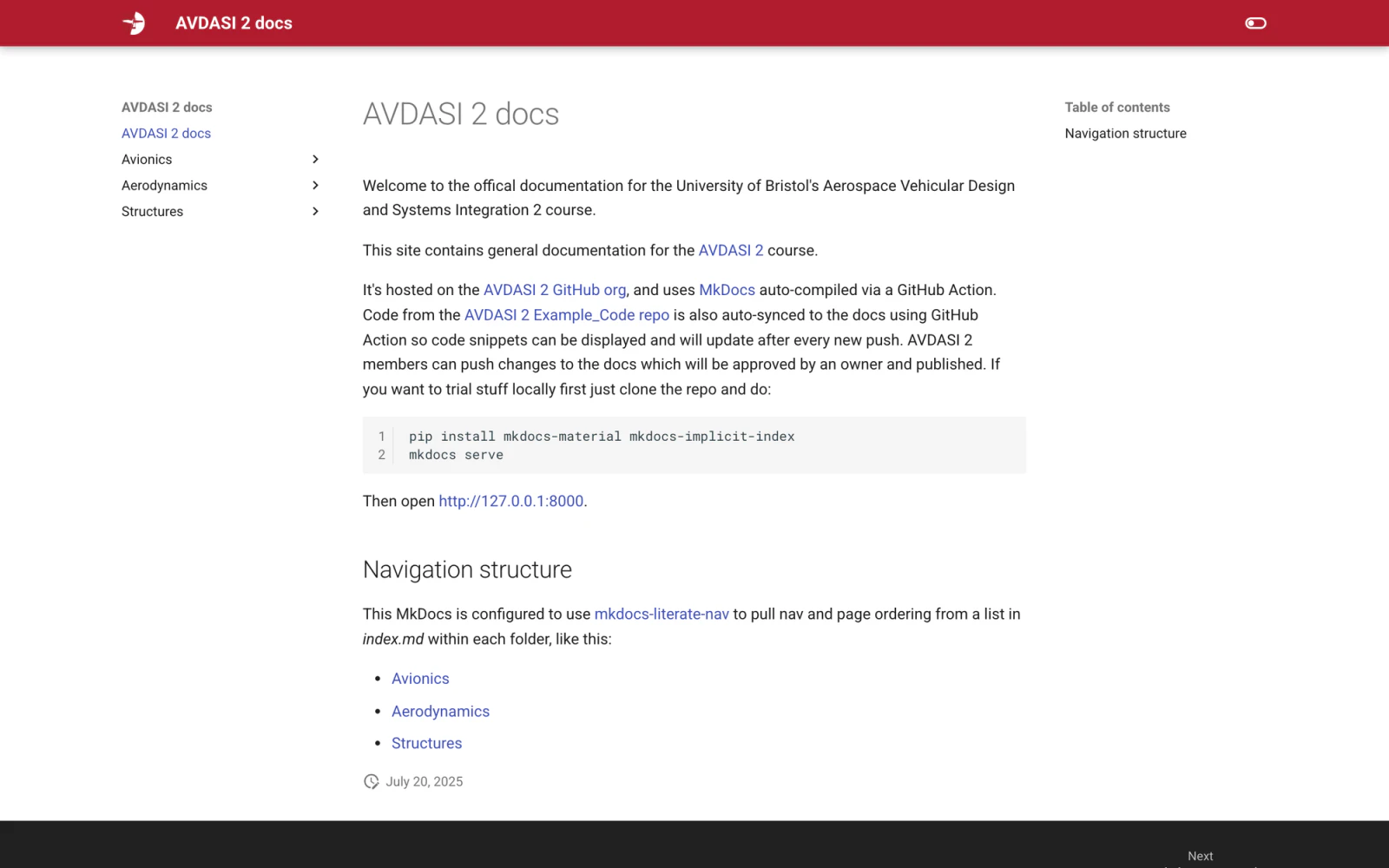
AVDASI2 avionics teaching resources: the Cube guide, an example ground station and the docs site the Flight Lab still runs.
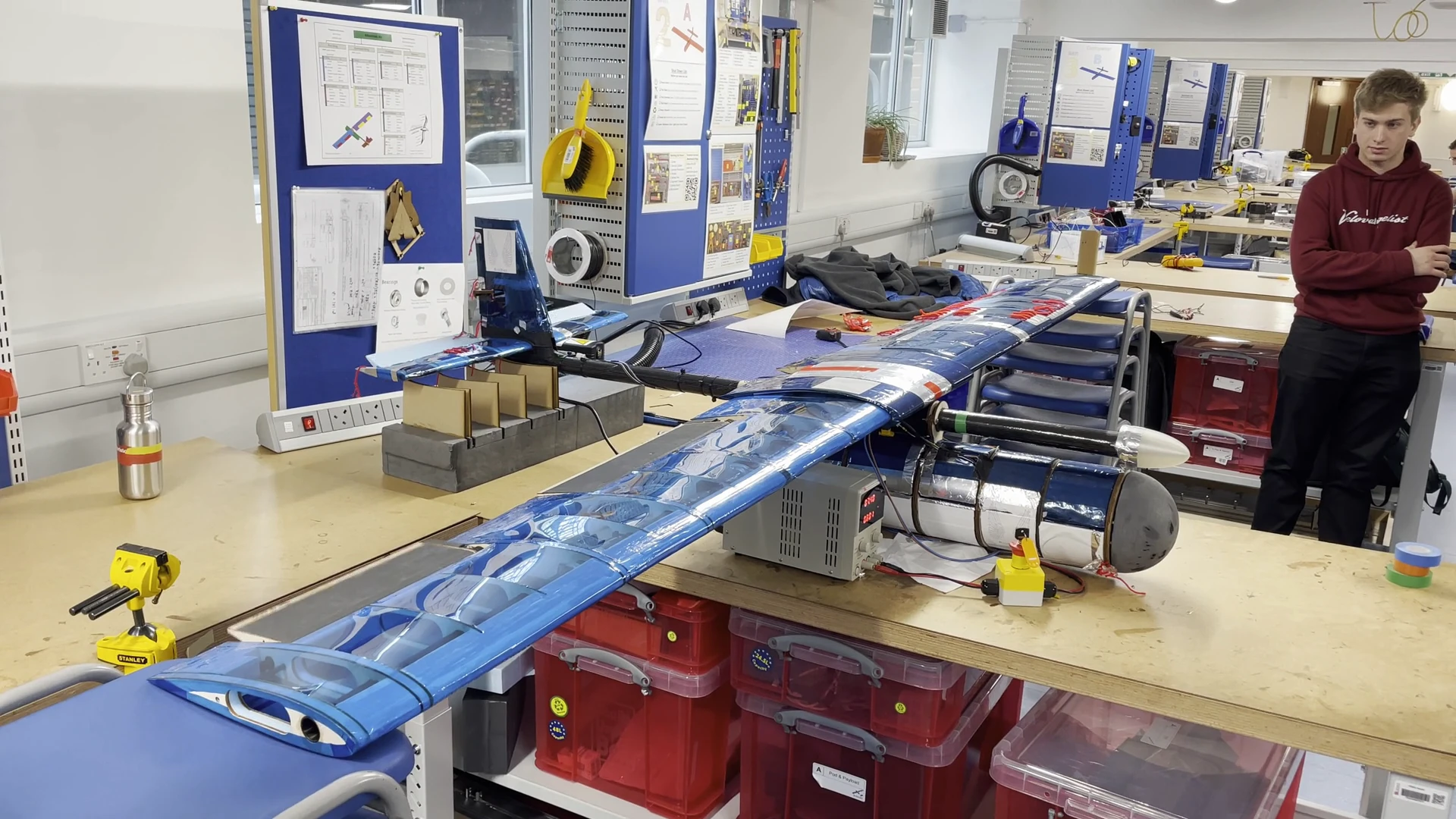
Avionics test lead on a six-person team: Hall-effect flap sensing, servo calibration, aircraft integration and three days in the wind tunnel.
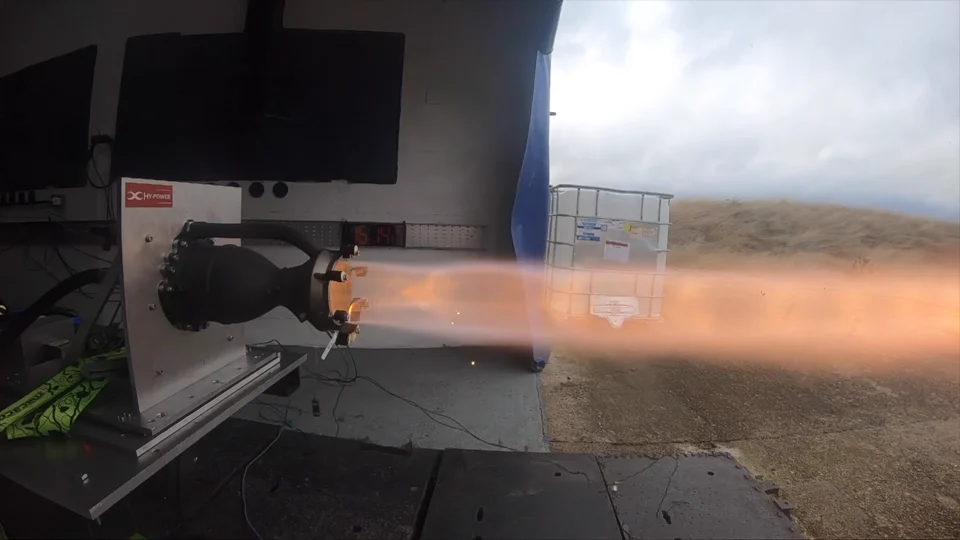
Hotfire 2, the full-duration burn. Shock diamonds hold the length of the plume.
MEng Aerospace Engineering student at the University of Bristol and Propulsion Lead at HyPower Bristol. Three research internships alongside it: the Bristol Flight Lab and the Bristol Composites Institute in 2025, ILK Dresden in 2026.
Three years on BristolSEDS Experimental Propulsion, Engine Lead then Propulsion Lead across four engine programmes, including the 5.94 kN regeneratively-cooled engine that set the UK student thrust record in January 2025.
| Degree | MEng Aerospace Engineering, First class |
|---|---|
| Institution | University of Bristol |
| Dates | 2023-2027 |
| Prize | Roderick Collar Prize |
| Before | A levels: Maths, Further Maths, Chemistry, Physics. British International School of New York, 2021-2023 |
| Now | MEng year 4 at Bristol, Propulsion Lead at HyPower |